
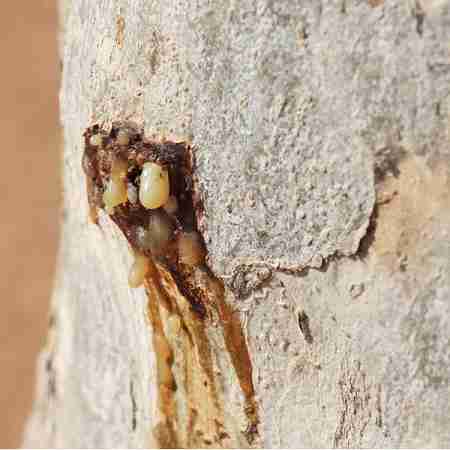
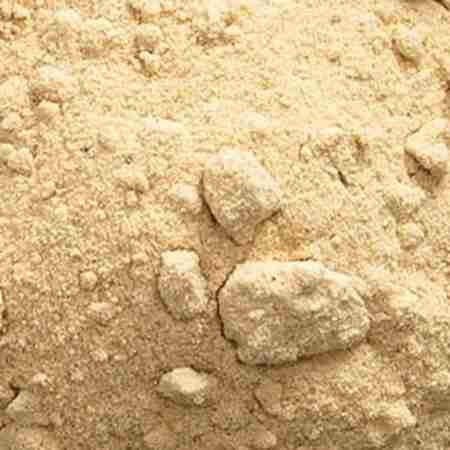
Description ShareTweetPinLinkedInPrintEmail Myrrh Gum Resin Incense Powder (Commiphora Molmol) – 1 Ounce HERB COMMON NAME : Myrrh HERB SCIENTIFIC NAME : Commiphora Molmol OTHER NAMES : Gum Myrrh FAMILY : Burceraceae ASSOCIATIONS & CORRESPONDENCES : Element: Water Planet: Saturn, Luna (the Moon) Day: Saturday Direction: West Zodiac Sign: Aries Chakra: 1st Root Chakra (Muladhara) Energy: Yin Gender: Feminine Rune: Gebo Sabbat or Holiday: Kabbalah, Yule, Samhain, Day of the Dead Deity or God / Goddess Association: Adonis, Ra, Saturn, Aphrodite, Cybele, Demeter, Hecate, Isis, Juno, Rhea, Leto, Nereus, Poseidon, Neptune, Latona, Protogonos, Binah, Oizys (Miseria) Parts Used: Resin pieces & powder Description: Myrrh refers to the sap of a Mediterranean tree (native to Ethiopia, Somalia and Yemen), which is collected by slashing its bark and capturing the running “tears” of resin. When fully dried, myrrh takes on a beautiful amber color and possesses an elegant and exotic fragrance. These qualities make myrrh a popular incense ingredient, alone or in combination with other herbs and resins. First used by the ancient Egyptians in embalming mixtures, myrrh became the all-purpose biblical aromatic for perfumes, funerals, and insect repellents. Myrrh gum has a long history of use in the Mediterranean region as fragrance and spice. Myrrh is famous for being one of the gifts brought to the infant Jesus by one of the Wise Men. While myrrh has been around since ancient times and even makes an appearance in the ancient text of the Bible, it’s a modern herb that’s still in use today. Myrrh was included in an incense recipe used by Levite priests, mentioned in the Torah, which contained galbanum, two types of myrrh, saffron, agarwood, cinnamon, and cassia (Laviticus 16:12), all of which are known for their effects, including their role as opiate receptor agonists. They activate the opiate receptors in a way that is similar to actual opiates, resulting in euphoria, a stimulated sense of relaxation, and a sense of warm fuzziness. Myrrh along with frankincense is classed as a tranquilizer due to its effects on GABA receptors. Myrrh resin yields an extract that was historically chewed in small amounts, smoked, infused into wine and drunk, or taken sublingually in spiritual rituals. The tincture was macerated for two to four weeks and then separated from the remaining marc. The extract was poured onto a glass baking dish and the solvent evaporated so that the remaining extract could be scraped off with a razor. It is this extract that was taken, in dosages of 50 to 100 mg, for its entheogenic properties or added to ritual incense or smoking blends. Myrrh is typically burned over smoldering charcoal as incense. Add to potpourri mixes and to floral displays. Hang in muslin bags in closets or tuck into drawers and between linens. Myrrh resin is used in perfumery and in the cosmetics industry. Historical Uses: stress, anxiety, depression, nervousness, moodiness, focus, ADHD, euphoria, relaxation, tranquilizing, sedating Mystical Attributes: Myrrh aids meditation, contemplation, and trance work. The essential oil or incense can be added to blends designed to enhance spirituality and spiritual awareness. It guards against evil, brings peace, and assists in understanding personal sorrow. With gentle comfort, myrrh also assists in expanding your wisdom. Myrrh is thought to be a lunar counterpart to frankincense, which is solar in nature. Myrrh can be used in incense for lunar workings, divination, spirit work, honoring the dead, and necromancy. Myrrh oil can be used for purification and preparation for ritual. The resin has been used throughout history as a ritual fumigant. Myrrh resin is burned as incense for purification, exorcism, protection, and healing. Its smoke is used to consecrate, purify and bless objects such as amulets, talismans, charms, and magical tools. The thorns of the tree represent the grief of loss as well as the resin’s ability to protect and heal. This is an excellent incense to help with loss, whether it be that of a loved one or a great injury (and thus loss of safety) done to one’s heart, spirit, or body. It brings protection to the injured. In the Kabbalah, it is associated with Binah, and it connects with Crone energy and thus the Underworld and the Abyss. For funerary rites, myrrh aids in connection with the dead and the underworld. It was used by the ancient Egyptians in their embalming process because of its powerful preservative capabilities. Myrrh increases the power of any incense to which it is added. Myrrh is also included in healing incenses and sachets. The Greeks traced myrrh’s teardrop shape to Myrrha, daughter of the Syrian king Thesis. Myrrha refused to worship Aphrodite, the goddess of love. Angered by this blasphemy, Aphrodite tricked her into committing incest with her father. When Thesis realized what he had done, he threatened to kill his daughter. To save her, the gods transformed her into a myrrh tree, whose teardrop resin recalls the girl’s sorrow. Mystical Intentions: purification, consecration, blessing, altar incense, ritual incense, ceremonial incense, cleansing, smudge, smudging, fumigation, exorcism, banishing, burial and funeral rites, communicating with the dead, travel to the underworld, the afterlife, attracting spirits, divination, necromancy, honoring the dead, Day of the Dead, angel magic, contacting your guardian angel, wish making, animal magic, boosting magical power, manifestation, protection from evil spirits, healing, meditation, concentration, focus, inner peace, overcoming sadness, uplifting, release, sorrow, overcoming heartbreak, comfort from loss, emotional healing, overcoming obstacles, release negative energy, awareness, spirituality, spiritual awakening, spiritual healing, spiritual growth, wisdom, trance, comfort, balance, change, new beginnings, transformation, renewal, rebirth, spiritual energy, gratitude, grounding, home protection, house warming, breaking curses, breaking hexes, uncrossing, psychic protection, lunar magic, past life reading Other Uses: Ground myrrh resin has been traditionally used to prepare salves and other topical formulations. Myrrh is sometimes found in natural dental preparations, such as tooth powders and mouth washes. Smell: When fully dried, myrrh takes on a beautiful amber color and possesses an elegant and exotic fragrance. Myrrh has a warm, rich, spicy, slightly musty, earthy, balsamic aroma. Myrrh is a popular incense ingredient, alone or in combination with other herbs and resins. Botany, Cultivation & Harvesting: The tree that produces myrrh is native to the Arabian peninsula (Oman, Yemen) and to Africa (Djibouti, Ethiopia, Somalia, and Northeast Kenya). Myrrh is not actually a plant but rather a plant product, one of the oldest plant products still in active use. One of the trees that produce myrrh, Commiphora molmol, when slit with a knife, exudes a gummy white resinous sap that hardens quickly in the sun. This hardened sap is myrrh. The myrrh tree is a squat, shrubby, and thorny tree of the Burseraceae family. The trees that yield resin do not grow more than 9 feet in height, but they are of a sturdy build. They have knotted branches with branchlets that stand out at right-angles, ending in a sharp spine. The trifoliate leaves are scanty, small and very unequal, oval and entire. There are ducts in the bark, and the tissue between them breaks down, forming large cavities, which, with the remaining ducts, becomes filled with a granular secretion which is freely discharged when the bark is wounded, or from natural fissures. It flows as a pale-yellow liquid, but hardens to a reddish-brown mass, being found in commerce in tears of many sizes, the average being that of a walnut. The surface is rough and powdered, and the pieces are brittle, with a granular fracture, semi-transparent, oily, and often show whitish marks. The odor and taste are aromatic, the latter also acrid and bitter. Myrrh trees like to grow in hot rocky locations, particularly limestone hills in full sun. It prefers well-drained sandy soil. Sow seeds indoors in a greenhouse after the seeds have been stratified. Germination is unpredictable. When the seedlings are large enough, transplant them out into larger pots and eventually into the garden. When the tree is mature, cuts are made into the bark and the sap is allowed to flow out and harden for 2 weeks. Remove the resin “tears” and allow to fully harden over 12 weeks or so. It can be stored as myrrh gum pieces or myrrh gum powder. Store the gum pieces and gum powder in an airtight container in a cool, dry place. Contraindications & Toxicity: NOT for internal use. In large doses, Myrrh causes increased pulse, increased temperature, gastric burning, diaphoresis, vomiting, and purgation. Commiphora molmol is an emmenagogue. May interfere with absorption of many lipophilic drugs. Constituents: Volatile oil (heerabolene, cadinene, elemol, eugenol, cuminaldehyde, numerous furanosesquiterpenes) Resins (commiphoric acids, commiphorinic acids, heeraboresene, heerabolmyrrhols, commiferin) Gums Sterols Tannins **CONTAINS PIECES AND/OR POWDER.** Sources: https://spiritartsandherbs.com/sources **IMPORTANT INFORMATON: Products are sold as curio items for entertainment purposes only and based upon historical and magical uses. We do not imply or guarantee that any items provide specific abilities, powers, outcomes, remedies, or treatments. Any information provided on listings or through private conversation is intended for educational purposes only and are based on historical folklore and traditions, and should not replace the advice of a physician. Use our products at your own risk. By purchasing this item, you understand and release Spirit Arts & Herbs Inc from any liability. No items we sell are for internal use and should never be ingested for any reason. Some may also not be safe for topical application, or even be safe to touch while unprotected. Always use proper safety precautions when using our products. We will not be held responsible for illness, injury, or death from the use of any product. PRODUCT IS NOT A TREATMENT. This product has not been evaluated by the Food and Drug Administration. Not intended to diagnose, treat, cure, or prevent any disease. CAUTION : Do not use ANY product if pregnant or nursing. Do not use if allergic to any ingredients. Prior to use, consult with your professional health-care provider to ensure safe use and understand effects that ingredients may cause relative to safety, personal conditions, and medication interactions which may be harmful. FOR ADULT USE ONLY. By purchasing, you confirm that you are over 18 years of age. Keep out of reach of children and pets. Do not use more than recommended by your healthcare professional. Purchase of this product indicates that you have read, understand, and agree to Spirit Arts & Herbs Terms and Conditions. Many of our products are hand made to order. Once orders are in processing, products are non-cancellable, non-refundable, and not returnable. Shipping times may be up to 3-4 weeks. ShareTweetPinLinkedInPrintEmail Related
Related products
Bear Board Games
$ 57.38
Bear Board Games
$ 69.35
Bear Board Games
$ 59.03
Bear Board Games
$ 58.50
Bear Board Games
$ 47.84