
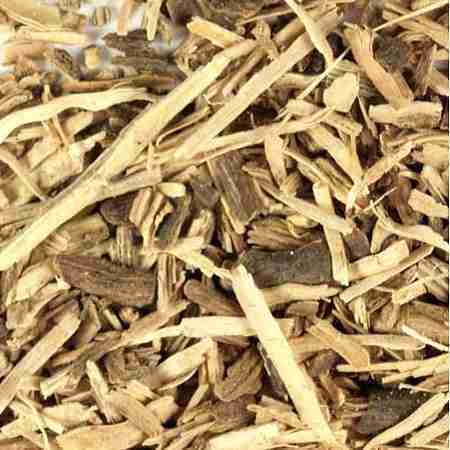
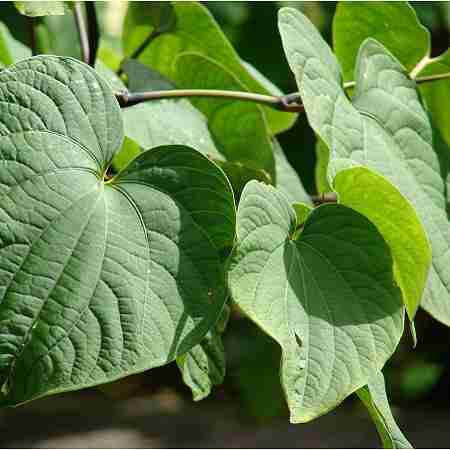
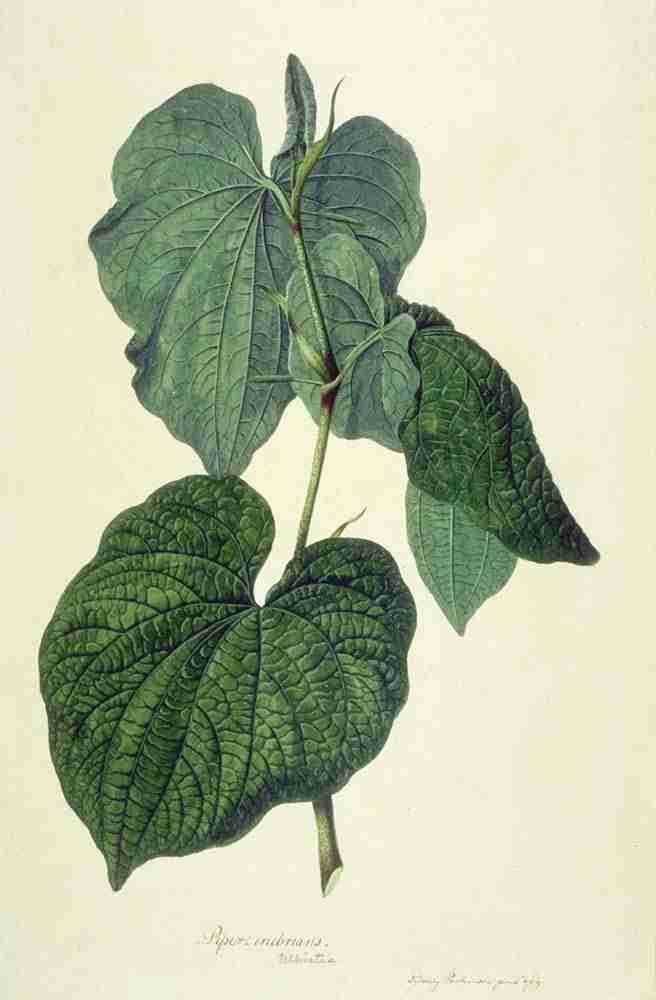
Description ShareTweetPinLinkedInPrintEmail Kava Kava (Piper Methysticum) Cut & Sifted Root HERB COMMON NAME : Kava Kava HERB SCIENTIFIC NAME : Piper Methysticum OTHER NAMES : Intoxicating Pepper, Ava Pepper, Ava, Ava Root, Awa Root FAMILY : Piperaceae ASSOCIATIONS & CORRESPONDENCES : Element: Water Planet: Saturn Direction: West Energy: Yin Gender: Feminine Rune: Dagaz Tarot: The Sun Tarot Sabbat or Holiday: Mabon, the Autumn Equinox (btw. September 21-24) Deity or God / Goddess Association: Lono Parts Used: Root, Rhizome Description: Kava (Piper methysticum), or kava kava, is a flowering shrub native to the Pacific Islands. Piper is Latin for “pepper” and methysticum is (Latinized) Greek for “intoxicating. For 3,000 years Pacific Islanders have used Kava to help them relieve tension and enjoy life more fully. Kava relaxes the body while clearing the mind, creating a state of natural well-being. The tranquility that comes with drinking Kava is said to evoke an atmosphere of easy sociability. Indigenous cultures have used the roots of the shrub in intoxicating beverages for centuries. Kava is a hypnotic, reducing anxiety and promoting cognitive function in cases of stress and restlessness. It aids in insomnia, headaches due to tension, neuralgia, dizziness and depression (and may help with benzodiazepine withdrawal). The National Institute of Health suggests that it may be just as effective as Valium for promoting calmness. It’s unclear if Kava binds GABA receptors. It does not act as a CNS depressant, but helps retain/increase mental functioning. At large doses, Kava leads to intoxication and euphoria, though without a hangover the next day, and is nonaddictive. Kava is used as a mild antiseptic and diuretic for urinary tract infections (UTI’s) and is useful also for interstitial cystitis. Any genitourinary tract infection or inflammation may benefit from its use. It has been used internally (and topically) for rheumatism, joint pain, muscle tension, neuralgias, chronic pain and restless leg syndrome. Historical Uses: sedative, nervous system & muscle relaxant, anticonvulsant, local anesthetic, analgesic, anti-fungal, anti-spasmodic, anti-depressant, stimulant, mild euphoric, antiseptic, anti-inflammatory, diaphoretic, rubefacient, bitter, carminative, diuretic, depression, urinary anesthetic, insomnia, sleeplessness, tranquilizer, hypnotic, intoxicant, muscle relaxer, calming, stress, anxiety, pain relief, joint pain, gout, arthritis, antiseptic, sore throat, toothache, restless leg syndrome, rheumatism, urinary tract infections, muscle tension, neuralgia, restlessness, tension headache, dizziness, irritability, nervousness, relaxation Mystical Attributes: Kava Kava has long been used in rites in Hawaii and Polynesia. This Polynesian plant’s root is infused into a tea that is drunk for protection against evil and for good luck. Some infuse Kava Kava and leave it to steep overnight in the refrigerator, drinking later to enhance psychic powers and induces visions. Use caution, as too much can cause kidney damage. Mystical Intentions: calm, psychic powers, visions, protection from evil, luck, peace, relaxation, tranquility, euphoria, past life reading Other Uses: In Polynesia, the fresh root is traditionally blended with pure water or coconut milk and consumed prior to attending religious ceremonies. The powdered root is added to teas, tonics and other beverages, often in combination with other herbs and spices to improve flavor. Taste & Smell: Kava kava root is starchy. It has a faint, warm, earthy, pleasant odor with a bitter peppery taste. Botany, Cultivation & Harvesting: Kava was historically grown only in the Pacific islands of Hawaii, Federated States of Micronesia, Vanuatu, Fiji, the Samoas and Tonga. Some is grown in the Solomon Islands. The Kava shrub grows to several feet high, its leaves are cordate, acuminate, with very short axillary spikes of flowers, the stem is dichotomous and spotted. Kava rhizome is in whitish or grey-brown roughly wedge-shaped fragments from which the periderm is cut off about 2 inches thick; the transverse section usually shows a dense central pith, surrounded by a clean ring of vascular bundles, narrow and radiating, separated by broadish light-colored medullary rays. Kava grows naturally where there is plentiful rainfall (over 2,000 mm/yr). Ideal growing conditions include temperatures from 70–95 °F (21–35 °C) and 70–100% relative humidity. Too much sunlight is harmful in particular to early growth. The kava shrub thrives in loose, well-drained soils where plenty of air reaches the roots. Kava cannot reproduce sexually. Female flowers are especially rare and do not produce fruit even when hand-pollinated. Its cultivation is entirely by propagation from stem cuttings. Kava plants are harvested at around four years of age, as older plants have higher concentrations of kavalactones. However, some farmers harvest plants as young as 18 months. The kava rhizome is harvested, peeled, and dried. Store dried kava root pieces and dried kava root powder in an airtight container in a cool, dry place. Contraindications & Toxicity: Do not operating machinery Do not use with strong anxiety/depression Use caution with Parkinson’s and in the elderly Prolonged use of a dose equivalent to 400 mg or more of kava lactones per day is likely to cause the characteristic skin lesions of kava-kava toxicity (pigmented, dry, covered with scales) which heals upon discontinuance of the kava. At doses greater than 9g per day, liver enzymes can elevate and should be monitored. May cause drowsiness. Interacts with CNS depressants (alcohol, medications), anti-psychotics, barbiturates, benzodiazepine, levodopa, warfarin. Constituents: Resinous kava lactones (alpha-pyrones) mainly consisting of kavain, dihydrokavain, and methysticin Chaclones Nutrients Flavonoids Piperidine alkaloid Sources: https://spiritartsandherbs.com/sources **IMPORTANT INFORMATON: Products are sold as curio items for entertainment purposes only and based upon historical and magical uses. We do not imply or guarantee that any items provide specific abilities, powers, outcomes, remedies, or treatments. Any information provided on listings or through private conversation is intended for educational purposes only and are based on historical folklore and traditions, and should not replace the advice of a physician. Use our products at your own risk. By purchasing this item, you understand and release Spirit Arts & Herbs Inc from any liability. No items we sell are for internal use and should never be ingested for any reason. Some may also not be safe for topical application, or even be safe to touch while unprotected. Always use proper safety precautions when using our products. We will not be held responsible for illness, injury, or death from the use of any product. PRODUCT IS NOT A TREATMENT. This product has not been evaluated by the Food and Drug Administration. Not intended to diagnose, treat, cure, or prevent any disease. CAUTION : Do not use ANY product if pregnant or nursing. Do not use if allergic to any ingredients. Prior to use, consult with your professional health-care provider to ensure safe use and understand effects that ingredients may cause relative to safety, personal conditions, and medication interactions which may be harmful. FOR ADULT USE ONLY. By purchasing, you confirm that you are over 18 years of age. Keep out of reach of children and pets. Do not use more than recommended by your healthcare professional. Purchase of this product indicates that you have read, understand, and agree to Spirit Arts & Herbs Terms and Conditions. Many of our products are hand made to order. Once orders are in processing, products are non-cancellable, non-refundable, and not returnable. Shipping times may be up to 3-4 weeks. ShareTweetPinLinkedInPrintEmail Related
Related products
Bear Board Games
$ 92.11
Bear Board Games
$ 93.39
Bear Board Games
$ 98.52
Bear Board Games
$ 93.59
Bear Board Games
$ 93.18