
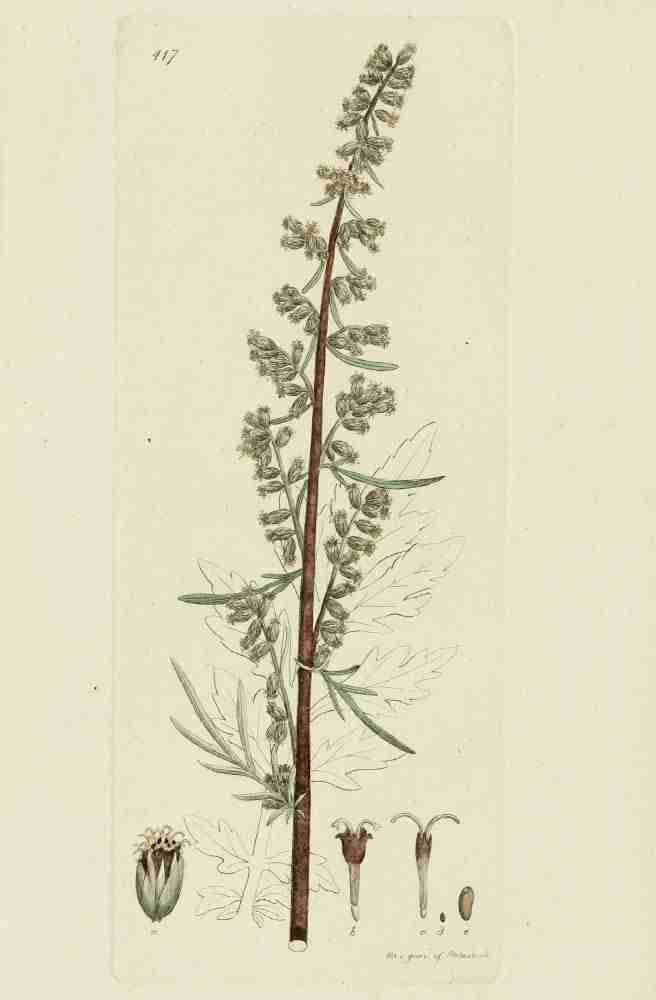
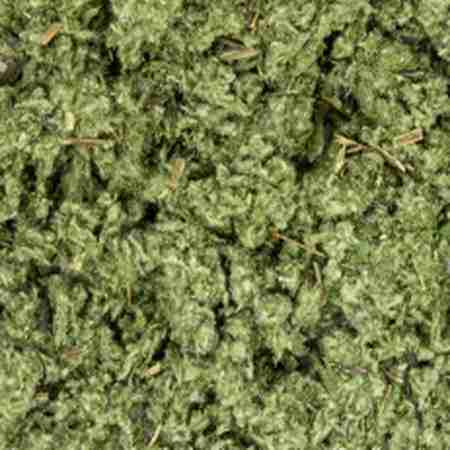
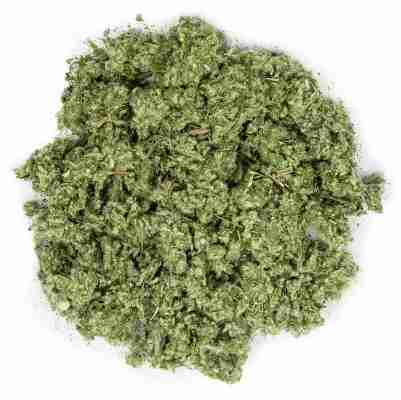
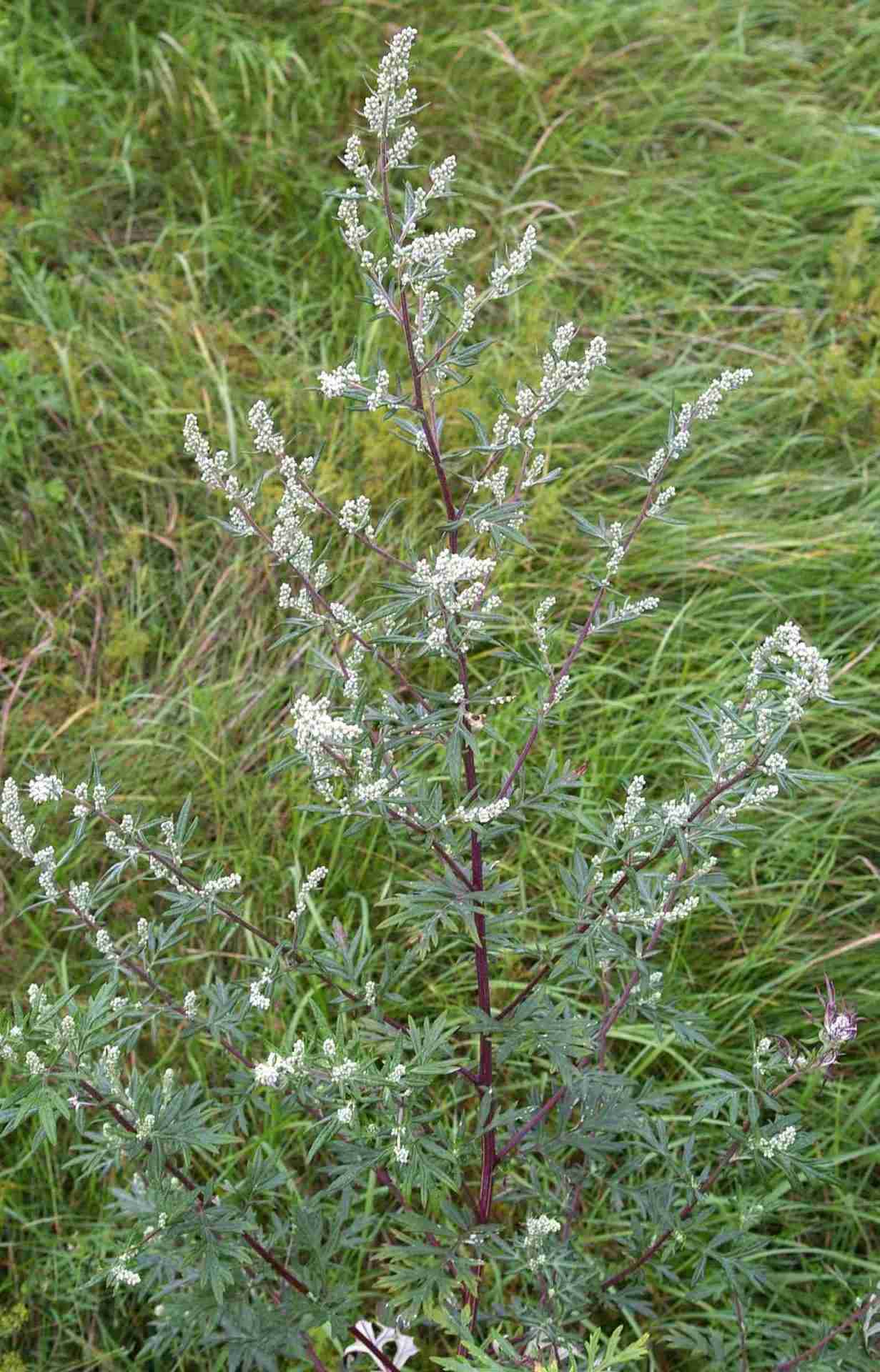
Description ShareTweetPinLinkedInPrintEmail *BANEFUL : Mugwort (Artemisia Vulgaris) Cut & Sifted Herb HERB COMMON NAME : Mugwort HERB SCIENTIFIC NAME : Artemisia Vulgaris OTHER NAMES : Artemisia, Carline Thistle, Chiu Ts-Ao, Common Mugwort, Douglas Mugwort, Felon Herb, Sailor’s Tobacco, Wormwood, St. John’s Plant, Cingulum Sancti Johannis, Cronewort, Yldost Wyrta (which means “oldest wort”), Moxa, Naughty Man FAMILY : Asteraceae ASSOCIATIONS & CORRESPONDENCES : Element: Air Planet: Venus Day: Friday Direction: East Zodiac Sign: Libra Chakra: 6th Third Eye Chakra (Ajna) Energy: Yin Gender: Female Rune: Rad Tarot: The Emperor, The Devil Sabbat or Holiday: Samhain, Mabon, Midsummer Deity or God / Goddess Association: Artemis, Diana Parts Used: Dried Herb (whole plant) Description: Mugwort is closely related to Common Wormwood (Absinthe). Mugwort derived its common name (Artemisia) from the Goddess Artemis (1st century AD). Mugwort has an affinity for supporting women’s health, calming the nervous system, and psychotropic lucid dreaming. Prior to the use of hops as material for fermentation, mugwort was commonly used in beer-making, often in combination with other herbs and flowers. Now, as then, dried mugwort is almost always preferred to fresh, and is harvested when the plant is in flower to ensure peak potency. Today, mugwort is most commonly added to herbal tea blends and used to make ointments, salves and tinctures. A weak tea made from the infused plant is a good all-purpose insecticide. The fresh or the dried plant repels insects. The herb is also reputed to repel moths. The scent of the leaves is handy for keeping moths out of stored clothing. Mugwort has been used for centuries as an alternative medicine. It is antibacterial, anthelmintic, anti-inflammatory, antiseptic, antispasmodic, carminative, cholagogue, diaphoretic, digestive, diuretic, emmenagogue, expectorant, haemostatic, nervine, purgative, stimulant, stomachic, and tonic, cleansing toxins from the blood. An infusion of Mugwort leaves and flowering tops is used in the treatment of all matters connected to the digestive system, it increases stomach acid and bile production, eases gas and bloating, improving digestion, the absorption of nutrients and strengthening the entire digestive system. It is used in alternative medicine to expel intestinal worms, nervous and spasmodic affections, asthma, sterility, functional bleeding of the uterus and menstrual complaints, and diseases of the brain. It is specific for dysmenorrhea and functional amenorrhea and promotes normal menstrual flow. In Traditional Chinese Medicine, this herb is considered warming to the womb, increasing circulation so that fertility is improved (don’t ingest if you are pregnant). In addition it has a mild nervine action, which also appears to be related to the volatile oil content, that may help ease depression and tension. As a gargle for sore throat, a wash for sores and a poultice for infections, tumors and to stop bleeding. These actions and uses are now backed by scientific studies on the plants main constituents volatile oils containing 1,8-cineole, artemisin, sesquiterpene lactones, flavonoids, coumarin derivatives, tannins, thujone and triterpenes. The leaves have an antibacterial action, inhibiting the growth of Staphococcus aureus, Bacillus typhi, B. dysenteriae, streptococci, E. coli, B. subtilis, and pseudomonas. In the past, travelers padded the insides of their shoes with it to prevent foot soreness, perhaps on account of a story of a saint who did the same and perhaps because of the leaves’ cottony undersides, which also provide the substance moxa, used in Eastern medicine. Mugwort is a common ingredient in herbal smoking blends, along with coltsfoot and passionflower. Like wormwood, mugwort contains thujone, which is considered a neurotoxin, although the information on its toxicity is derived solely from rat studies. Mugwort is used in traditional Chinese medicine to restore yin deficiences, balancing the masculine and feminine chi within a person. Anglo-Saxon Britons believed that mugwort was the most effective cure for “elf shot,” a condition widely applied to anyone who became ill without obvious cause – the illness was blamed upon the invisible arrows of the Fae (faeries and elves). In historical herbalism, mugwort was used (among other herbs) in a hot decoction for women to sit over, to provoke the menses, help delivery, and expel the after-birth. It was also used for obstructions and inflammations of the womb. Also in historical herbalism, the fresh juice of the herb was taken as a remedy for an overdose of opium. Historically, about ½ ounce of the powder of the dried leaves infused in wine was believed to be a cure for sciatica. Caution! : Mugwort Herb should not be used by pregnant women since it can cause a miscarriage. Historical Uses: calm, nervousness, depression, exhaustion, relaxation, mind clearing, insect repellant, antibacterial, antifungal, anthelmintic, anti-inflammatory, Inflammation, antiseptic, antispasmodic, carminative, cholagogue, diaphoretic, digestive, diuretic, emmenagogue, expectorant, haemostatic, nervine, purgative, stimulant, stomachic, tonic, narcotic, sedative, cleansing toxins from the blood, indigestion, gas, flatulence, bloating, intestinal worms, parasitic infection, asthma, sterility, infertility, menstrual problems, PMS, brain disease, sore throat, sores, skin infections, tumors, stopping bleeding, dysmenorrhea, amenorrhea, induce labor, expel worms, malaria, abortifacient, overdose, sciatica, staph infection, strep infection, E. coli Mystical Attributes: All varieties of Artemesia are sacred to the Druids, the Goddess Artemis who gives comfort (or death) to women in labor, and also Diana (through association and Hecate), patron of herbalists and midwives. It contains the planetary metal for Venus (copper). According to the Herbarium of Apuleius Platonicus, it was the goddess Diana who found this plant and gave it to Chiron, the centaur responsible for teaching human beings medicine. In Anglo-Saxon lore it was known as one of the nine sacred healing herbs of the famed Nine Herbs Prayer. The recipe for this medical prescription was recorded in the Lacnunga (“Remedies”), a collection of Anglo-Saxon prayers and remedies, and it was said to have magical properties. Mugwort has been used as a sacred smoking herb or burned as a fumigant for protection or divination. Although having psychoactive properties, it is said to be safe to smoke (as safe as smoking anything is) by itself, mixed with tobacco, or other smokeables in a ritual context and is said to induce and enhance astral projection, lucid dreaming, psychic dreams, prophetic dreams, and other altered states of consciousness. Some say that simply keeping mugwort under your pillow or in your bedroom will encourage prophetic dreams. Mugwort herb can be stuffed into dream pillows. The essential oil of mugwort may also be used to enhance dreaming by being placed in a diffuser near the bed or applied with carrier oil beneath the nose so its scent can be inhaled throughout the night; the latter has a more potent effect than the former. Mugwort essential oil should not be ingested internally. Remember that mugwort is closely related to ragweed and the flowers may trigger some allergies. This magic herb is also often included in modern flying ointments. Mugwort can bring you into a deep state of meditation by opening up a direct channel to lunar magic. It can be a lovely, spiritual experience. Mugwort helps us to release our wild, untamed selves, opening our third eye to our visions and dreams. Others say you must burn it or smoke it in order to utilize its conscious-altering effects. Burn mugwort in an incense burner as you use divination tools to help open your mind to any messages coming in. Mugwort is said to help confront difficult truths, help release the wild untamed self, and induce lust. In magic, it is ingested, smoked, or applied to the skin. It is also used in divinatory incenses or psychic teas. If you are not pregnant, a cup of mugwort tea before bedtime is said to encourage lucid dreaming. This should not be done regularly. Some use this for ceremonial purposes. Infusing one to two teaspoons of dried mugwort to one cup of boiling water, steeping for ten to fifteen minutes, is sometimes drank prior to divination or before sleeping to dream of an answer to a question. A few drops of mugwort tincture in a cup of chamomile tea before bed encourages vivid dreams. Mugwort is also used in protective sachets, especially those created in relation to travel. It is said to prevent delays and other annoyances associated with traveling, as well as to protect the traveler from accidents, thieves and other dangers associated with traveling. Mugwort essential oil on a dream pillow or applied to the third eye and temples (safely mixed with a carrier oil) can help access intuition. Mugwort stems also make very nice wands, though they aren’t very sturdy. Use herbal water made of mugwort to cleanse ritual tools, especially those used for divination. It is often utilized to consecrate and dress instruments for divination, like crystal balls and scrying mirrors. An infusion of mugwort can also be used to attune pendulums, and charge runes or cards. Hanging mugwort over or on a door will keep unwelcome energies, ghosts, and evil spirits from passing through. In Sicily, women would make crosses of mugwort and put them on their roof on the eve of Ascension Day so that they might be blessed. A garland or girdle of mugwort can be worn while dancing around the midsummer balefire and thrown into the fire at the end of the night to ensure protection throughout the year. Roman soldiers put mugwort in their sandals to keep their feet from getting tired. In Holland and Germany the plant was considered sacred to John the Baptist who presumably wore a girdle of Mugwort. The plants are gathered on St. John’s Eve (the Summer Solstice), made into a crown and worn to protect from possession, disease and bad luck. In China, bunches of mugwort are hung in the home to protect against evil spirits during the Dragon Festival. In Japan, the herb is burned specifically to drive away the spirits of disease. In Ainu culture, demons are brushed out of a possessed person using bunches of mugwort. They believe it to be the oldest herb in the world. In England likewise it was considered the oldest herb. In Wales, mugwort was tied to the left thigh of a woman having difficult labor. But it was believed that if the mugwort was not immediately removed after the birth, she might hemorrhage. In European folklore, Mugwort shields against injury, fatigue, and poisons. Romans would put this herb on their shoes to ward off fatigue on long journeys. In Native American folklore, Mugwort was also a Witchcraft medicine, rubbed the leaves on ones body to keep ghosts away or wearing a necklace to prevent dreaming of the dead. In the UK, poppets were stuffed with mugwort and tossed into the Midsummer fire in order to clear away sin. At one time, in England and in Germany, various folk rituals were practiced on St. John’s Eve or Midsummer Eve to protect one’s eyesight, such as looking at the bonfire through a bunch of mugwort. The plant can be used as a smudge for cleansing rituals of both people and places. It is often incorporated into smudge bundles used for purification and burned as an incense for the same. Combine mugwort 1:2 with white sandalwood to make a mugwort incense. Mugwort is also frequently used together with Wormwood as they complement one another, with mugwort being feminine and wormwood masculine. Mugwort and wormwood are used in incense to induce a trance and aid divination and as spirit offerings when performing a ritual. Mystical Intentions: asperging, awareness, banishing, blessings, clairvoyance, cleansing, smudge, smudging, purification, protection, protection from possession, exorcism, protection while travelling, protection from evil spirits, protection from disease, protection from misfortune, protection from injury, protection from poisoning, protection from animals, fatigue, home protection, divination, astral projection, astral travel, travel to the underworld, travel to the spirit world, communicating with the dead, communicating with spirits, spirituality, lucid dreaming, prophetic dreams, psychic dreams, psychic awareness, dream recall, psychic ability, psychic visions, psychic power, psychic protection, reverse and deflect negative energy, omens and messages, seeing spirits, magic wand making, tired feet, childbirth and labor, fertility, finding the truth, guidance, dreamwork, dream work, consecration, flying, calm, meditation, release, lust, defensive magic, weather magic, lightning magic, intuition, answers to questions, euphoria, euphoric, meditation, flying, out-of-body experiences, trance, tranquility, past life reading Other Uses: Today, mugwort is most commonly added to herbal tea blends and used to make ointments, salves and tinctures. Mugwort herb is reputed to repel moths. Mugwort leaves are edible, young leaves are boiled as a pot herb or used in salad, they aid in digestion although said to have a bitter taste. Mugwort is used as a tea or an extract to produce relaxation and clear the mind. Smoking mugwort, drinking tea, or using a tincture or extract intensifies dream clarity and recall. Taste & Smell: A sage-like smell and slightly bitter taste Botany, Cultivation & Harvesting: Mugwort belongs to the Artemisia genus and is native to North America, Europe, Asia, northern Africa, and Alaska. Artemisia vulgaris is a tall herbaceous bushy shrubby perennial plant of the Asteraceae family that grows 1–2 meters tall, although on rare occasions it can reach heights of 2.5 meters (up to 5-7 feet). Mugwort grows from a creeping rhizome, has a woody root, and tolerates cold well. The root is long and hard, with many small fibres growing from it, whereby it takes strong hold in the ground. The leaves are 5–20 cm long, smooth, dark green, with dense white cottony hairs on the underside. They are alternate, pinnately lobed, and segmented. The erect angular stems of the plant are often tinged red-purplish, growing 3 feet or more in height. Both the stalk and leaves die every year, and the root shoots new in the spring. The plant’s small greenish-yellow flowers (5 mm long) are pinacled spikes like buttons, radially symmetrical, with many yellow or dark red petals, with a cottony appearance. The narrow and numerous capitula (flower heads) spread out in racemose panicles. It flowers from July to September, sometimes into October. The flowers then fall away, followed by small seeds enclosed in round heads. Mugwort grows in full to part sun in weedy and uncultivated areas, such as waste places, roadsides, hedgebanks, and waste land. Mugwort is considered to be an invasive weed in many areas. The plant prefers slightly alkaline, well-drained loamy soil. Surface sow seeds at the winter solstice or in early spring in planting mix by sprinkling them over wet soil and lightly pressing them. The seeds need light to germinate. Cover with plastic and refrigerate at 40-50° F for 2 weeks to break down germination inhibitors, then bring into warmer temperatures to germinate from late winter to early summer in a greenhouse, and do not allow the compost to dry out. When large enough to handle, transplant the seedlings into individual pots. If growth is sufficient, they can be planted out into their permanent positions in the summer, spaced 1 foot apart. Otherwise, grow them in a cold frame for their first winter and then plant them out in the spring. Once they are established, they are easy to propagate by dividing the rhizomes in the early spring, before the plant leaves grow. You can take divisions in spring or autumn or do basal cuttings in late spring. Harvest the young shoots when about 10 – 15cm long, pot up in a lightly shaded position in a greenhouse or cold frame and plant them out when well rooted. Harvest mugwort leaves shortly before it flowers or when in bloom, and hang the leafy stems upside down in a dry place away from sunlight (in the shade or in the house) to dry. Collecting the leaves before the plant begins to flower will ensure the highest oil content. But once the plant is established, the leaves can be collected throughout the season. Collect the root in autumn, before the first frost. Wash and dry mugwort root thoroughly and lay it on a screen to dry. Take care in spacing the roots, if still-drying roots touch one another they may mold. Store dried mugwort in an airtight container in a cool, dry place. Contraindications & Toxicity: CAUTION: Mugwort Herb should not be used by pregnant women since it can cause a miscarriage. Toxicity: High doses may interfere with absorption of nutrients. Is potentially allergenic to people sensitive to plants of the Asteraceae family (like ragweed). Contraindications: Pregnancy & Lactation Constituents: Volatile oils (thujone, borneol, cineole, pinene) Sesquiterpene lactones Flavonoids Coumarins Bitter principle Tannins Sources: https://spiritartsandherbs.com/sources **IMPORTANT INFORMATON: Products are sold as curio items for entertainment purposes only and based upon historical and magical uses. We do not imply or guarantee that any items provide specific abilities, powers, outcomes, remedies, or treatments. Any information provided on listings or through private conversation is intended for educational purposes only and are based on historical folklore and traditions, and should not replace the advice of a physician. Use our products at your own risk. By purchasing this item, you understand and release Spirit Arts & Herbs Inc from any liability. No items we sell are for internal use and should never be ingested for any reason. Some may also not be safe for topical application, or even be safe to touch while unprotected. Always use proper safety precautions when using our products. We will not be held responsible for illness, injury, or death from the use of any product. PRODUCT IS NOT A TREATMENT. This product has not been evaluated by the Food and Drug Administration. Not intended to diagnose, treat, cure, or prevent any disease. CAUTION : Do not use ANY product if pregnant or nursing. Do not use if allergic to any ingredients. Prior to use, consult with your professional health-care provider to ensure safe use and understand effects that ingredients may cause relative to safety, personal conditions, and medication interactions which may be harmful. FOR ADULT USE ONLY. By purchasing, you confirm that you are over 18 years of age. Keep out of reach of children and pets. Do not use more than recommended by your healthcare professional. Purchase of this product indicates that you have read, understand, and agree to Spirit Arts & Herbs Terms and Conditions. Many of our products are hand made to order. Once orders are in processing, products are non-cancellable, non-refundable, and not returnable. Shipping times may be up to 3-4 weeks. ShareTweetPinLinkedInPrintEmail Related
Related products
Bear Board Games
$ 26.99
Bear Board Games
$ 12.59
Bear Board Games
$ 12.59
Bear Board Games
$ 62.99
Bear Board Games
$ 35.99