
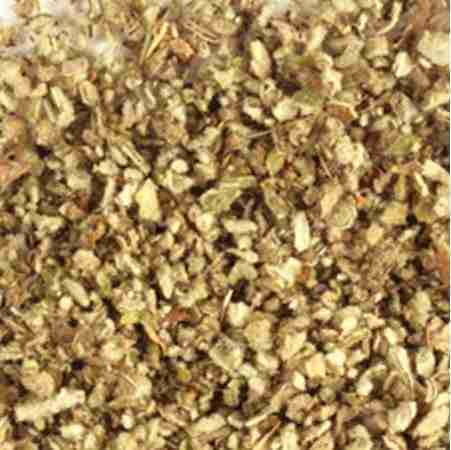
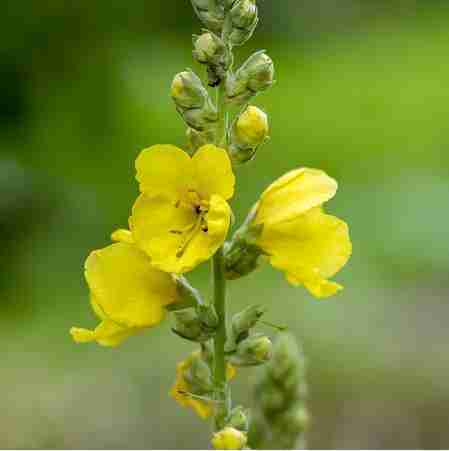
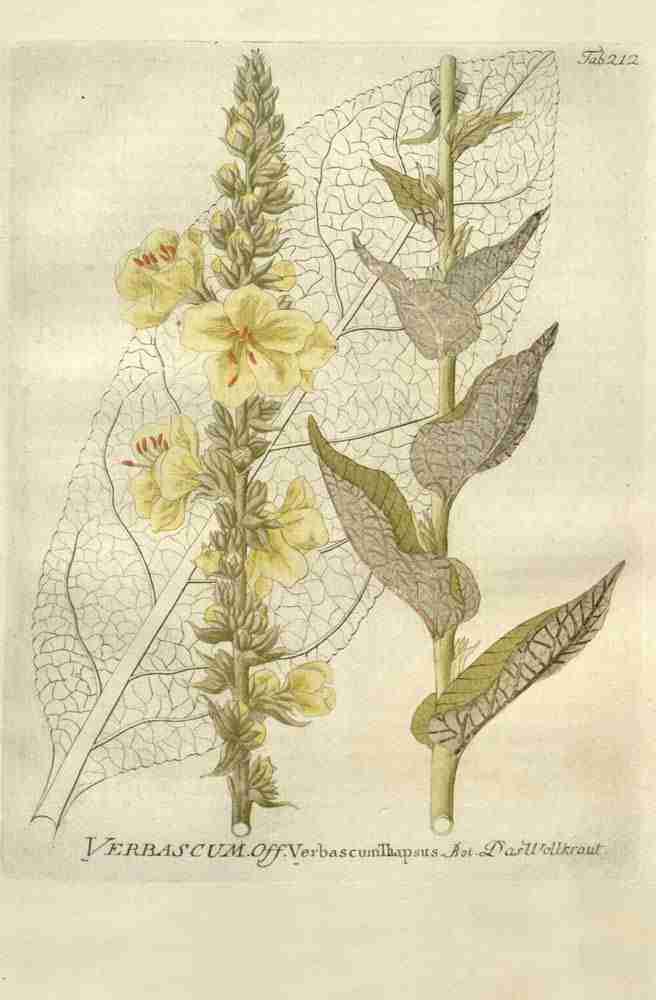
Description ShareTweetPinLinkedInPrintEmail Mullein Leaf, Dried Cut & Sifted Herb (Verbascum Thapsus) HERB COMMON NAME : Mullein HERB SCIENTIFIC NAME : Verbascum Thapsus OTHER NAMES : Hag’s Taper, Hag’s Torch, Torches, Witch’s Candle, Samhain Candle, Adam’s Flannel, Beggar’s Blanket, Candlewick Plant, Candle Wick Plant, Common Mullein, Flannel Mullein, Flannel Plant, Jupiter’s Staff, Molene, Velvet Dock, Velvet Plant, Woolly Mullin, Aaron’s Rod, Beggar’s Flannel, Beggar’s Stalk, Big Taper, Blanket Herb, Blanket Leaf, Bullock’s Lungwort, Clot, Clown’s Lungwort, Cow’s Lungwort, Lung Wort, Cuddy’s Lungs, Devil’s Tobacco, Duffle, Doffle, Feltwort, Flannel Leaf, Fluffweed, Graveyard Candle, Great Mullein, Hare’s Beard, Hedge Taper, Ice Leaf, Jacob’s Staff, Miner’s Candle, Mullein Dock, Old Man’s Flannel, Our Lady’s Flannel, Quaker Rouge, Gag Paper, Shepherd’s Club, Shepherd’s Staff, St. Peter’s Staff, Torchwort, White Man’s Footsteps, Witch’s Taper, Woolen, Mary’s Candle, Shepherd’s Rod, Aaron’s Rod FAMILY : Scrophulariaceae ASSOCIATIONS & CORRESPONDENCES : Element: Fire Planet: Saturn Day: Saturday Direction: South Zodiac Sign: Libra Chakra: 4th Heart Chakra (Anahata) Energy: Yin Gender: Feminine Rune: Dagaz Tarot: Four of Swords Sabbat or Holiday: Samhain (October 31 – November 1), Beltane / Walpurgis / May Day (April 30 – May 1), Litha / Midsummer / Midsomer / the Summer Solstice (btw. June 19-24) Deity or God / Goddess Association: Jupiter, Hecate Parts Used: Stalks, Leaves, Flowers, and Root (whole plant) Description: Mullein is an annual wayside herb that seems to spring up where nothing else can take hold, even gaining a foothold between rocks and patches of concrete. Reaching a height of up to 8 feet, mullein is easily recognizable in the wild by the simple fact that it towers over most of its botanical neighbors. The plant also produces large, fuzzy leaves that resemble dried tobacco by the end of the growing season, and spikes of yellow flowers in mid-summer. Mullein has been used in traditional herbal medicine for centuries. Its traditional uses generally have focused on the management of asthma, coughs, and related respiratory problems. Because mullein is very high in mucilage, the herb is traditionally used to make throat lozenges and syrups. Mullein leaves and flowers are sometimes incorporated into home-made cough syrup. Some people have smoked the leaves to relieve congestion. It is also put in hot water and the steam inhaled. Mullein infusion is considered a strong antibacterial by herbalists. An infusion of the flowers in olive oil has been used for earache drops. It is also used in alternative medicine for the migraine headaches accompanied with oppression of the ear. The oil used for gum and mouth ulcers is very effective. A decoction of Mullein root is used to alleviate toothache. Various Native Americans used mullein to return people to their right mind. The Hopi mixed the leaves with osnomodium to be used as a smoke by people with disturbances of the mind. The Navajo wrapped the leaves in a corn husk to be smoked to help a mind return if it was lost. And the Potowatami smudged unconscious people with the leaves to help them return to consciousness. The whole Mullein plant possesses slightly sedative and narcotic properties. Mullein seeds are considered toxic. They have been historically used as a narcotic and also contain saponins. It is also used to produce skin care formulas. Externally, a poultice of the leaves is applied to sunburn and skin ulcers. If you are really in a bind, Mullein’s soft fuzzy leaves are said be a substitute for toilet paper, however some say it can be irritating. The leaves close to the center are much softer than the rough, older leaves. Mullein has been used for torches as well as for fire-starting tinder. Mullein is used as a tea, tincture, or extract for medicine. Flowers can be used fresh or frozen for infusions, oils, and syrups. Harvest leaves in summer and dry for infusions, extracts and tinctures. Put flowers in olive oil to help with earaches. Historical Uses:cough, whooping cough, tuberculosis, bronchitis, congestion, hoarseness, pneumonia, respiratory infection, earaches, cold, flu, chills, swine flu, SARS, covid, tuberculosis, fever, allergies, tonsillitis, sore throat, asthma, diarrhea, colic, gastrointestinal bleeding, headache, migraines, toothache, joint pain, gout, diuretic, sores, skin wounds, burns, boils, hemorrhoids, bruises, frostbite, cellulitis, analgesic, antihistaminic, anti-inflammatory, inflammation, anticancer, antioxidant, antiviral, antibacterial, bacteristatic, cardio-depressant, estrogenic, fungicide, bacterial infection, fungal infection, hypnotic, sedative, insomnia, sleeplessness, pesticide, anodyne, antiseptic, antispasmodic, astringent, demulcent, emollient, expectorant, nervine, vulnerary, relaxation, anxiety, stress, insanity, nervousness, pain relief, rheumatism, urinary tract infection (UTI) Mystical Attributes: If making your own candles for ritual and incantation, consider using Mullein stalks for the wicks. Or the whole stalk may be burnt as a candle by itself. The stalks of mullein are made to make what are called Hag’s Taper, Hag’s Torch, Samhain Candle, or Witch’s Candle. In ancient Rome, mullein stalks were dipped in fat and guided funerary processions. Today, the stalks are rolled in beeswax, then sometimes dipped in a combination of other herbs. A mix of mugwort, rose, yarrow and chamomile is used to heighten the ability to see through the veil and communicate with ancestral spirits. Various mixtures are used for love or other magical intentions. Mullein is used for centering the spirit and is added to the pipe and smoked as an aid to astral work. In Indian lore, mullein is considered a sure safeguard against evil spirits and magic. Some sources say that this was the plant that Odysseus/Ulysses took to protect himself from Circe’s bewitchment, which she apparently brought about using enchanter’s nightshade. Mullein can be incorporated into charms for exorcising demons, dispelling insanity, restoring a disturbed mind to normalcy, and to bring back the spirit of someone who has been bewitched. Mullein is mixed with dill, salt, and fennel and sprinkled around haunted areas to repel malicious spirits or ghosts. Mullein is thought to instill courage. Bathe in this herb to bring bravery and keep enemies at bay. In Great Britain, Mullein was used to help bring back children who had been kidnapped by fairies. Use mullein for illumination in magic, to discover the identity of a thief or to uncover secrets. For health, a few leaves in the shoe keeps the wearer from becoming ill. European travelers carried mullein or stuffed it into their shoes to protect them from attacks by wild animals. To avoid nightmares, put a sachet (or dream pillow) of mullein flowers under your pillow or inside the pillowcase. In the old days in France, people would pass sprigs of mullein through a fire on St. John’s Eve (Midsummer) to protect cattle from sickness caused by sorcery. Use powdered mullein as a substitute in spells that call for graveyard dirt. In its modern use, it has been an ingredient or extender in graveyard dirt together with patchouli and valerian. Mystical Intentions: calling ancestors, communicating with the dead, divination, astral projection, protection from evil spirits, protection from curses and hexes, courage, bravery, determination, health and healing, protection from illness, helping nightmares, substitute for graveyard dirt, danger, defense, black magic, war magic, death magic, revenge, vengeance, funeral and burial rites, catch a thief, find the truth, reveal secrets, protection from insanity, exorcism, protection while traveling, repel malicious ghosts, missing children Other Uses: Mullein leaves are usually used as an infusion but a tincture is also used. When making a tincture with mullein leaves, use half as much dried herb as you would most plants. The dried leaves of Mullein swell more than most in alcohol due to their bulk from the fuzziness of the plant. The leaves will blacken if they swell and don’t stay completely covered with alcohol. Whichever method you might use, be sure to strain the mixture so the little hairs don’t get caught it your throat. An infusion of Mullein flowers is sometimes used to dye the hair a golden color. Taste & Smell: Some believe mullein tea has a soft and sweet taste, similar to peppermint. However, others find it bitter and unpleasant. Botany, Cultivation & Harvesting: Verbascum thapsus is native to Europe, northern Africa and Asia, and introduced in the Americas and Australia. In North America it is hardy in zones 5-9. It is a self-seeding biennial plant of the Scrophulariaceae family. Mullein first appears in late fall and winter as a somewhat large rosette of light green, fuzzy oval leaves that usually survive the coldest of winters in its first year of growth. By late spring, a large flower stalk emerges from the center. The second year, plants normally produce a single unbranched stem usually 1–2 m tall. The tall pole-like stems end in a dense spike of flowers that can occupy up to half the stem length. Flowers have five stamens, a 5-lobed calyx tube and a 5-petalled corolla, the latter bright yellow and an 1.5–3 cm (0.5–1 inch) wide. The flowers are almost sessile, with very short pedicels (2 mm, 0.08 in). The five stamens are of two types, with the three upper stamens being shorter, their filaments covered by yellow or whitish hairs, and having smaller anthers, while the lower two stamens have glabrous filaments and larger anthers. A given flower is open only for a single day, opening before dawn and closing in the afternoon. Flowering lasts for up to three months from early to late summer. After flowering the entire plant usually dies at the end of its second year, but some (especially in the northern parts of the range) require a longer growth period and flower in their third year. Under better growing conditions, some flower in the first year. All parts of the plants are covered with star-shaped trichomes. This cover is particularly thick on the leaves, giving them a silvery appearance. On flowering plants the grey-green wooly leaves and yellow flowers are alternately arranged up the spike. They are thick and have variation in leaf shape between the upper and lower leaves on the stem, ranging from oblong to oblanceolate, and reaching sizes up to 50 cm long and 14 cm across (19 inches long and 5 inches wide). After flowering and seed release, the stem and fruits usually persist in winter, drying into dark brown, stiff structures of densely packed, ovoid-shaped and dry seed capsules. Mullein can grow in a variety of temperate habitats, including banks, meadows, roadsides, waste ground, forest clearings, pastures, and even on gravel, sand and chalk. It dislikes shade and wet soils. It grows in bare and disturbed, usually dry, well-drained, poor, sandy or chalky soils. It is found in sunny positions in uncultivated fields, especially on dry soils. Scatter Mullein seeds when ripe in late summer and fall in bare soil, at temperatures between 10 °C and 40 °C. Barely cover the seeds to germinate in 12-15 days at room temperature. Transplant 12-18″/30-45cm apart in full sun. Mullein is hardy in zones 4-9 (down to -30F/-34C). Harvesting leaves is done almost year-round from the time the flower rosettes appear in late fall, until it goes to seed in summer when the leaves will deteriorate. The leaves are dried for later use. Mullein flowers bloom a few at a time, so you can pick and set them to dry as they form. Since mullein has a relatively shallow taproot, it is easy and preferable to just pull up the whole plant. The whole plant can be hung upside down to dry over a paper bag to catch seeds that may fall out. Leave the seeds for the birds to eat. Store dried mullein in an airtight container in a cool, dry place. Contraindications & Toxicity: The fuzzy hairs on the leaves can be irritating to those with sensitive skin Constituents: Coumarin Hesperidin Mucilage (leaves) Flavonoids [acubin] Saponins (leaves) Volatile oil (flowers) Tannins Resins (flowers) Bitters Sources: https://spiritartsandherbs.com/sources **IMPORTANT INFORMATON: Products are sold as curio items for entertainment purposes only and based upon historical and magical uses. We do not imply or guarantee that any items provide specific abilities, powers, outcomes, remedies, or treatments. Any information provided on listings or through private conversation is intended for educational purposes only and are based on historical folklore and traditions, and should not replace the advice of a physician. Use our products at your own risk. By purchasing this item, you understand and release Spirit Arts & Herbs Inc from any liability. No items we sell are for internal use and should never be ingested for any reason. Some may also not be safe for topical application, or even be safe to touch while unprotected. Always use proper safety precautions when using our products. We will not be held responsible for illness, injury, or death from the use of any product. PRODUCT IS NOT A TREATMENT. This product has not been evaluated by the Food and Drug Administration. Not intended to diagnose, treat, cure, or prevent any disease. CAUTION : Do not use ANY product if pregnant or nursing. Do not use if allergic to any ingredients. Prior to use, consult with your professional health-care provider to ensure safe use and understand effects that ingredients may cause relative to safety, personal conditions, and medication interactions which may be harmful. FOR ADULT USE ONLY. By purchasing, you confirm that you are over 18 years of age. Keep out of reach of children and pets. Do not use more than recommended by your healthcare professional. Purchase of this product indicates that you have read, understand, and agree to Spirit Arts & Herbs Terms and Conditions. Many of our products are hand made to order. Once orders are in processing, products are non-cancellable, non-refundable, and not returnable. Shipping times may be up to 3-4 weeks. ShareTweetPinLinkedInPrintEmail Related
Related products
Bear Board Games
MotorLoc Atlantic Outboard Motor Slot Lock – Models 170, 195 & 230
$ 26.86
Bear Board Games
$ 34.20
Bear Board Games
$ 2.12
Bear Board Games
$ 5.07
Bear Board Games
$ 1.06