
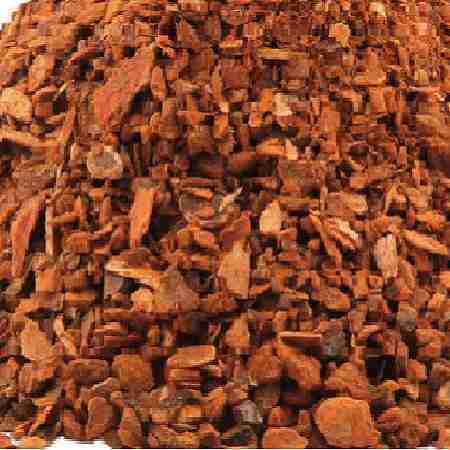
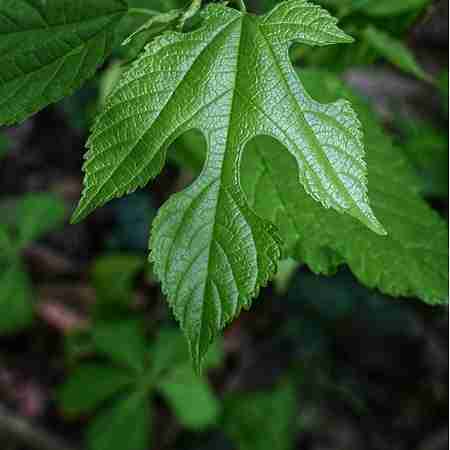
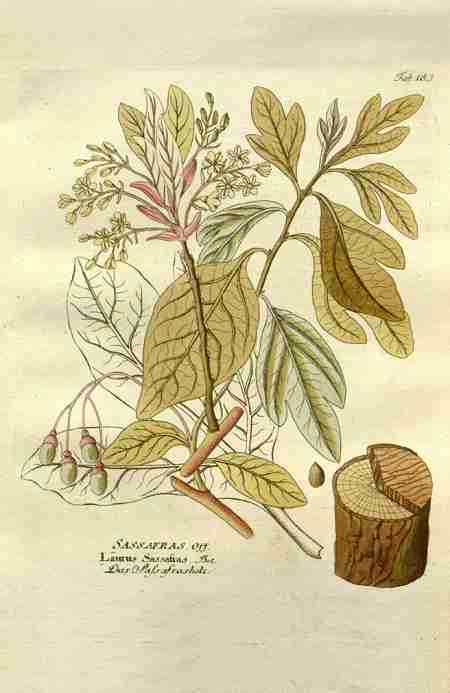
Description ShareTweetPinLinkedInPrintEmail Sassafras Root Bark Cut & Sifted Herb (Sassafras Officinale / Albidum) **CAUTION: SAFROLE HAS NOT BEEN REMOVED FROM THIS PRODUCT. IT IS IN UNPROCESSED FORM AND NOT SAFE FOR CONSUMPTION. DO NOT INGEST. INTERNAL USE IS ILLEGAL IN THE UNITED STATES. HERB COMMON NAME : Sassafras HERB SCIENTIFIC NAME : Sassafras Albidum / Sassafras Officinale OTHER NAMES : Ague Tree, Saxifrax, Cinnamon Wood, Cinnamonwood, Saloop, Smelling-Stick, Common Sassafras, Mitten Tree, Chewing Stick, Tea Tree, Winauk, Pauane, Kombu, Weyanoke, Gumbo File FAMILY : Lauraceae ASSOCIATIONS & CORRESPONDENCES : Element: Fire Planet: Jupiter Day: Thursday Direction: South Zodiac Sign: Sagittarius Chakra: 2nd Sacral Chakra (Svadhisthana) Energy: Yang Gender: Masculine Rune: Gebo Tarot Card: Eight of Wands, Ace of Pentacles Number: 8 Spirit Animal: Pig, Boar Sabbat or Holiday: Imbolc / Candlemas (February 1-2) ; Beltane / Walpurgis / May Day (April 30 – May 1) ; Samhain (October 31 – November 1) Deity or God / Goddess Association: the Triple Goddess, Plutus, Lakshmi, Fortuna, Tyche, Kubera, Gefion, Gad, Pasithea Parts Used: Root Bark, Shoot, Leaves Description: This North American species of sassafras provides spectacular fall color for east coast residents of Canada and the U.S., as well as food and lodging for various birds and the spicebush swallowtail butterfly. All parts of the tree contain essential oils and give off a pleasant spicy aroma when crushed. In the southern U.S., the roots were boiled, then combined with molasses, and allowed to ferment into root beer. Up until the mid-1970s, the shoot and roots of this tree were used to flavor root beer and other beverages, but it has since been banned for consumption in the U.S. because of its main constituent, safrole. It is prohibited for use as a flavoring or food additive because safrole is said to have carcinogenic properties, though it is less likely to cause cancer than alcohol. The dried leaf, however, is safely and deliciously used in Creole and Cajun cooking as a component of file and gumbo seasoning blends. The young leaves can be added to salads and have a mild aromatic flavor. Sassafras was used extensively for food and medicine by Native Americans long before European settlers arrived. Sassafras bark was one of the first exports of the New World. Sassafras tea is made from the root bark (only safe and legal if the safrole is removed, which it has not been for this product, so do not use for ingestion of any kind). The root bark and root pith have been used in alternative medicine as an alterative, anodyne, antiseptic, aromatic, carminative, diaphoretic, diuretic, stimulant and vasodilator. An infusion has been used to ease problems with the digestive system, and to help gastrointestinal complaints, colds, liver and kidney ailments, rheumatism skin eruptions and as a blood purifier and blood thinner. Its action of stimulating blood flow is believed to help periphery circulation and ease cold hands and feet. It is also believed to promote clearer thinking and improved brain circulation in old age. The essential oil (Safrole) from the root bark has been used as an antiseptic and anodyne (pain killer) in dentistry. A sassafras tree repels mosquitoes and other insects. Similar to cedar, sassafras wood has been used to make chests and boxes that protect contents from moths and other insects. Some henhouses are made from sassafras wood to protect from bugs. Sassafras wood chips can be kept near clothes to repel moths. Sassafras oil has also been used externally for relief of insect bites and stings and for removing lice. Sassafras root bark oil, along with mullein, is also used in a traditional Native American external remedy for bruises and swelling. Native Americans also rubbed fresh sassafras leaves on open wounds. Sassafras (which contains Safrole) is a stimulant hallucinogenic empathogen used in the production of MDA, which may have contributed to its reason for being banned. Sassafras is banned by the FDA for use in teas and foods, and is classified as a Schedule 1 drug in the United States. Only 5 mL of sassafras CAN KILL AN ADULT. It is illegal to buy, possess, manufacture, or distribute sassafras for internal use that has not had the safrole removed. It is only for external or curio use. Do NOT ingest! Historical Uses: alterative, anodyne, antiseptic, aromatic, carminative, diaphoretic, diuretic, stimulant, vasodilator, digestion, gastrointestinal complaints, colds, liver disease, kidney disease, rheumatism skin eruptions, blood purifier, blood thinner, circulation, cold hands and feet, cold extremities, anodyne, pain killer, insect repellant, hallucinogenic, empathogen, insect bites and stings, mental clarity, bruises, swelling, cuts, grazes, wounds Mystical Attributes: The wood of the sassafras is a sacred wood to the witches used in fire ceremony, and totem workings for finding your totem in ceremonial trance working. The sacred fire times of the sassafras are Imbolc, for the young sapling. Beltane, for the tall berry laden tree. Samhain, for the dead and fallen wood of the sassafras. For those who observe the Goddess, the 3-lobed shape of the leaf is symbolic for the times of the Goddesses’ phases of life, maiden, mother and crone. Sassafras is considered strongly protective and cleansing. It can be used as incense to ward off evil influences. Its magical properties consist of healing, energy channeling, change, Goddess workings, and faerie magic. Early settlers believed that beds made from sassafras would drive away evil spirits and give people restful sleep. Carrying the leaves or root in your wallet, purse, or placing in the cash register helps you hold onto the money you have, and also attracts new money. Burying money near the roots of a Sassafras tree brings prosperity. Mystical Intentions: elemental fire magic rituals, protection from evil spirits, cleansing, healing, boosting magical power, channeling energy, change, fairy magic, helping nightmares, sleeping spells, money, fortune, prosperity, wealth, trance, euphoria, flying, heighten senses, visions Smell: Sassafras root bark is aromatic, sweet and warm with an aroma similar to root beer or birch beer. Botany, Cultivation & Harvesting: Sassafras albidum is native to eastern North America, from southern Maine and southern Ontario west to Iowa, and south to central Florida and eastern Texas. Sassafras occurs at altitudes of sea level up to 1,500 meters all throughout the eastern deciduous forest habitat. The entire tree is aromatic and spicy. Sassafras is a deciduous tree native to eastern North America from Maine to Ontario, south to Florida and Texas. In the North it is a shrub growing only to 7 or 8 feet, but in the Southern States it sometimes attains a height of 100 feet, with a trunk diameter of up to 6 feet. It is found growing in thickets, rich woods, forest openings and edges, roadsides and fence rows. The tree’s crown is formed by many slender sympodial branches. Mature trees have thick dark red-brown bark that is deeply furrowed. Initially shoots are bright yellow green with mucilaginous bark, later turning reddish brown, and in a couple of years the shoots begin to show shallow fissures. The green to yellow-green leaves are alternate, ovate or obovate, 4-6 inches (10–16 cm) in length and 2-4 inches (5–10 cm) in width with a short, slender, slightly grooved petiole (stalk that joins the leaf to the stem). The leaves have three different shapes: three-lobed leaves, unlobed elliptical leaves, and two-lobed leaves (on rare occasion, there can be more than 3 lobes). All of these shapes can appear on the same branch. Sassafras leaves turn to shades of yellow, tinged with red during autumn. In early spring before the appearance of leaves, yellow to greenish-yellow fragrant flowers are produced in loose, drooping, few-flowered clusters up to 5 cm long. They have five or six tepals. The sassafras tree is usually dioecious, the male and female flowers grow on separate trees; and pollination is by insects. The male flowers have nine stamens, while the female flowers have six staminodes (aborted stamens) and a 2–3 mm style on a superior ovary. The tree’s fruit is a 1 cm long dark blue-black drupe that contains a single seed (a dark blue berry about the size of a pea), inside a 2 cm long red fleshy club-shaped cup on a red stalk. The fruit ripens in late summer (August – October), and seeds are dispersed by birds. The cotyledons are thick and fleshy. The tree’s roots are fleshy and thick, and they often produce root sprouts which are able to develop into new trees. Sassafras trees prefer a rich, well-drained sandy loam (pH of 6–7), however they will grow in any loose, moist soil. As soon as seeds are ripe, sow in a cold frame. Stored seed requires cold stratification at 4°C for four months. The seed is best sown as early in the year as possible. Transplant out the seedlings into individual pots as soon as possible and grow them on in the greenhouse for their first winter, then planting out in early summer. Root sprouts grow vigorously and colonize the area around the main tree. Sassafras roots are usually harvested during the fall. Only the outer part or the “bark” of the root is used. Dry for later use. Store dried sassafras root bark in an airtight container in a cool, dry place. Contraindications & Toxicity: CAUTION: May be harmful in excessive use. Only 5 mL of sassafras CAN KILL AN ADULT. The FDA has banned it from being sold for internal use unless the safrole is removed. **SAFROLE HAS NOT BEEN REMOVED FROM THIS PRODUCT. IT IS NOT SAFE FOR CONSUMPTION. DO NOT INGEST. INTERNAL USE IS ILLEGAL IN THE UNITED STATES. THIS PRODUCT IS FOR CURIO USE ONLY!** Sources: https://spiritartsandherbs.com/sources **IMPORTANT INFORMATON: Products are sold as curio items for entertainment purposes only and based upon historical and magical uses. We do not imply or guarantee that any items provide specific abilities, powers, outcomes, remedies, or treatments. Any information provided on listings or through private conversation is intended for educational purposes only and are based on historical folklore and traditions, and should not replace the advice of a physician. Use our products at your own risk. By purchasing this item, you understand and release Spirit Arts & Herbs Inc from any liability. No items we sell are for internal use and should never be ingested for any reason. Some may also not be safe for topical application, or even be safe to touch while unprotected. Always use proper safety precautions when using our products. We will not be held responsible for illness, injury, or death from the use of any product. PRODUCT IS NOT A TREATMENT. This product has not been evaluated by the Food and Drug Administration. Not intended to diagnose, treat, cure, or prevent any disease. CAUTION : Do not use ANY product if pregnant or nursing. Do not use if allergic to any ingredients. Prior to use, consult with your professional health-care provider to ensure safe use and understand effects that ingredients may cause relative to safety, personal conditions, and medication interactions which may be harmful. FOR ADULT USE ONLY. By purchasing, you confirm that you are over 18 years of age. Keep out of reach of children and pets. Do not use more than recommended by your healthcare professional. Purchase of this product indicates that you have read, understand, and agree to Spirit Arts & Herbs Terms and Conditions. Many of our products are hand made to order. Once orders are in processing, products are non-cancellable, non-refundable, and not returnable. Shipping times may be up to 3-4 weeks. ShareTweetPinLinkedInPrintEmail Related
Related products
Bear Board Games
$ 51.50
Bear Board Games
$ 94.42
Bear Board Games
$ 91.28
Bear Board Games
$ 91.28
Bear Board Games
$ 51.50