
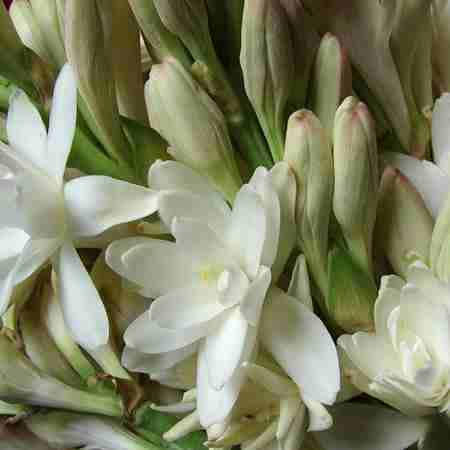

Evening Primrose Oil (Oenothera Biennis) – CARRIER OIL
$ 16.74
Description ShareTweetPinLinkedInPrintEmail (*CAUTION: NOT safe for internal use. For external use only. Evening Primrose Oil (Oenothera Biennis) 2 Ounces HERB COMMON NAME : Evening Primrose HERB SCIENTIFIC NAME : Oenothera Biennis OTHER NAMES : Common Evening Primrose, Fairy Cup, Fever Plant, Great Evening Primrose, King’s Cure All, Night Willow Herb, Scabish, Scurvish, Tree Primrose, Night Candle, Sun Crop, Wild Beet FAMILY : Onagraceae ASSOCIATIONS & CORRESPONDENCES : Element: Water Planet: Moon Day: Friday Direction: West Zodiac Sign: Cancer Chakra: 4th Heart Chakra (Anahata) Energy: Yin Gender: Feminine Tarot: the Lovers tarot, Ace of Cups, Knight of Cups Sabbat or Holiday: Beltane / May Day / Walpurgis (Apr 30 – May 1) Deity or God / Goddess Association: Diana, Oberon, Titania, Mab, Puck, Eris, Aine, Fand Parts Used: Herb, Leaves, Flowers, Roots, Seeds Description: Evening Primrose is a tall biennial wildflower that blooms at sunset. The flowers will often remain open the next day during cloudy conditions, but fade quickly under bright sunlight. Evening Primrose herb is used extensively in herbal medicine and as a dietary supplement for many conditions. The Evening Primrose was introduced to Europe in the early 17th century as an ornamental plant in botanical gardens, without recognition of their ancient use as medicine. However, Indigenous tribes in North America (namely the Cherokee, Iroquois, Ojibwe and Potawatomi) were using the plant as food and medicinal crop for hundreds of years. Today, the Evening Primrose is mainly known as garden plant and as medicinal plant in specialized sectors. Almost all parts of the Evening Primrose are edible and medically or cosmetically applicable. This includes the roots, leaves, blossoms, flower buds and seeds. The oil is not for consumption or internal use. Evening Primrose is cultivated for the oil contained in its seeds which contain essential Gamma-linoleinc acid (GLA), a very valuable fatty acid that is not found in many plants. The seed oil is sold for skin care and use in cosmetics. People use Evening Primrose oil for eczema (a condition involving red, swollen, itchy skin, sometimes caused by allergies), rheumatoid arthritis, premenstrual syndrome (PMS), breast pain, menopause symptoms, and other conditions. A small amount of evidence suggests that evening primrose oil might be helpful for diabetic neuropathy (nerve problems caused by diabetes). Evening Primrose oil is used extensively in cosmetics, face masks and serums, and other skin products for its anti-aging properties of reducing the appearance of fine lines and wrinkles, as well as hydrating the skin and easing symptoms of dermatitis. Its high Vitamin E content helps brighten, tighten, and nourish skin. It has been widely used for over 500 years in herbal medicine and is still used by many people. A tea was made from the Evening Primrose leaves and used by Native American tribes as a dietary aid. The Iroquois combined it with other herbs to make a stimulant for laziness, “overfatness”, and debility. The Cherokee would drink Evening Primrose tea for obesity, and they cooked the leaves for greens and roots for potatoes. A hot poultice made from the pounded Evening Primrose roots was applied externally to treat bruises, piles, boils, and minor wounds. Some Native Americans used the whole plant for bruises and its roots for hemorrhoids. The Ojibwa soaked the whole plant and applied it to bruises. Evening Primrose roots were chewed into a paste and rubbed onto the arm and leg muscles to improve strength. Evening Primrose oil is a carrier oil and does not require dilution. Historical Uses: skin problems, itching, allergies, rashes, eczema, dermatitis, dry skin, psoriasis, acne, anti-aging, wrinkles, rheumatoid arthritis, premenstrual syndrome (PMS), menstrual cramps, breast pain, menopause symptoms, hormone imbalance, diabetic neuropathy, nerve pain, diabetes, lethargy, laziness, obesity, weight loss, debility, bruises, boils, hemorrhoids, muscle strength, abrasions, cuts, grazes, scrapes, sores, wounds, gastrointestinal problems, bowel pain Mystical Attributes: Evening Primrose may be a good herb for shapeshifting. Use the whole plant as a bath tea or add the oil to make your inner beauty show through and increase your desirably to potential lovers and friends. The plant helps to fully open the heart to love and relationships without fear of rejection. But be warned that in the Victorian language of flowers, Evening Primrose represents fickleness, faithlessness, and fleeting beauty. Use of the flower in love spells will likely result in short-term relationships. In contrast to its sister the Primrose which means “I can’t live without you”, the Evening Primrose represents inconstancy and infidelity. This flower is for those who are looking for fun and fancy, but not anything long-term. The sweetly scented flowers of this magick herb open towards evening and are faintly phosphorescent, which makes Evening Primrose a great Moon garden plant. Eliphas Levi recommended it be placed on the altar for Moon ceremonies. Evening Primrose is a fairy plant, from which the Fae collect dew to make potions. Celtic Druids and Scottish legend has it that if you eat Evening Primrose you might see a fairy. If you place the plant in your cowshed, it will stop the Fae from stealing your milk. Irish lore has it that growing the plant near doorways will protect the home from fairies. Some use Evening Primrose in magick related to hunting and success in achieving one’s goals. Use it in ritual to increase your luck in finding a new job. Mystical Intentions: Moon rituals, finding love, love spells, beauty, attraction, friendship, relationships, romance, opening the heart, shapeshifting, fairy magic, hunting, goal achievement, job hunting, success in business Taste & Smell: Virtually all plant parts are edible. In general, the taste of the plant is mild but sometimes there can be a rough aftertaste. The roots are said to be sweet, peppery, and delicious when boiled like potatoes. The essential oil is not edible or for internal use. Evening Primrose has a complex floral fragrance that is sweet, green, flowery, herbal, woody, spicy, and uplifting. Some varieties have a citrus scent with hints of spice, similar to lavender, bergamot, or lily of the valley. Many evening primroses produce a compound called linalool which smells like Fruit Loops. The pale evening primrose with white flowers smells like almond and jasmine. Other Uses: The entire plant is edible (but not the essential oil). Evening Primrose has been cultivated for its nutritious edible roots. The first-year roots can be peeled and boiled for 20-30 minutes and served with butter. The early leaves are cooked and eaten as greens or used in tea. Evening Primrose flowers are a sweet addition to salads or as a garnish. The young seedpods can be served steamed. The seeds can be used as a substitute for poppy seeds on baked goods. To make roasted seeds, rotate and press dry seed capsules to release seed, roast in oven for 15 to 20 minutes. at 350 deg. Use on bread or in salad, sprinkle over any dish like pepper. Botany, Cultivation & Harvesting: Evening Primrose is a North American native biennial wildflower found all over North American except for the desert and Rocky Mountains. It is naturalized in Britain as well as much of Europe, and cultivated in over fifteen countries for its seed oil. Evening Primrose prefers full sun but can often be found growing on the edge of the woods in part shade as long as it gets a few hours of sun a day. It grows by roadsides, railway banks and waste places in dry open soils, gravelly places, meadows and old fields but tends to look lanky and weedy in poor soil. It prefers acid, neutral, and basic (alkaline) well-drained soil. It is sometimes considered an invasive weed. When Evening Primrose is grown in a landscape garden with rich soil and plenty of water, it hardly resembles the skimpy plants that you see growing in waste places and on roadsides. It loves limestone gravel, which can be added to soil to slowly increase lime content. Evening Primrose is a tall wildflower, often 4 to 5 feet or more in height. The stem is erect, stout, soft-hairy, reddish, branching and forms a shrub-like appearance. Evening Primrose leaves are alternate, rough-hairy, lanceolate, about 3 to 6 inches long and lemon-scented. The taproot is elongated, fibrous, yellow on the outside and whitish within. It is in bloom from June to September. The flower spikes grow on auxiliary branches all along the stalk. They are about 2-1/2 inches in diameter, bright yellow and have four petals, a cross-shaped stigma and a reflexed calyx (leaves under petals). The sweet-smelling flowers open in the evening with an aroma which attracts pollinating moths and closes up during the day. The fruit is an oblong one-inch-long capsule containing many tiny reddish seeds. Evening primrose is easily cultivated from seed planted in fall or early spring. The seeds are ripe when the seed capsule begins to split open, usually in October. Evening Primrose plants will usually last two years and are self-sowing. In the south, the plant may behave as an annual, with rosettes forming during late fall and winter then blooming the following summer. Once it sets seed, it’s done. Barely cover the seeds to germinate in 7-28 days. Start in early spring or in fall to bloom the following year. Transplant 8-12″/20-30cm apart in full sun or partial shade. The plants get 36-48″/.9-1.22m tall. The plant likes temperate areas and is hardy down to -10F/-23C (Zones 6-8). Later sowing increases the likelihood that the plant will be biennial and produce flowers only in the second year. If a biennial, it will make a rosette (or lotus throne) the first year and produce flowering stalks the second. Harvest the seedpods before they open, and thin out the rosettes of leaves the first year to prevent it from taking over. If it is allowed to self-propagate in fertile soil, such as a raised bed, a few plants will turn into a large colony within a few years. Hummingbirds visit the flowers to obtain nectar and insects to eat. The seed capsules provide food for many other birds during the winter months. It is thought that the plants are pollinated by night-visiting hawk moths, which feed on their nectar. Bees will visit the fading flowers in early morning light. Japanese Beetles prefer the leaves of common evening-primrose to those of other garden plants. Harvest some leaves at the first sign of beetle infestation and wash well before use. Continue to water and give organic fertilizer if desired. Fish emulsion works well. By the time the beetles die, the plants may look hopelessly forlorn. However, the munching they endure seems to make the plant bushier when it recovers. It will grow new leaves, bush out and begin to flower about the time the beetles are gone for the season. Evening Primrose oil has a short shelf-life of six months or less and should be kept refrigerated to keep it from growing rancid. Contraindications & Toxicity: Evening primrose is considered safe for use by most people. May cause headaches or upset stomach in some people, so it should not be used on an empty stomach. Do not use if pregnant or nursing. Not safe for people with seizure disorders, schizophrenia, or mania. May increase the risk of bleeding, a concern for patients with bleeding disorders, that are taking drugs that may increase bleeding, or are expecting to undergo surgery. Sources: https://spiritartsandherbs.com/sources **IMPORTANT INFORMATON: Products are sold as curio items for entertainment purposes only and based upon historical and magical uses. We do not imply or guarantee that any items provide specific abilities, powers, outcomes, remedies, or treatments. Any information provided on listings or through private conversation is intended for educational purposes only and are based on historical folklore and traditions, and should not replace the advice of a physician. Use our products at your own risk. By purchasing this item, you understand and release Spirit Arts & Herbs Inc from any liability. No items we sell are for internal use and should never be ingested for any reason. Some may also not be safe for topical application, or even be safe to touch while unprotected. Always use proper safety precautions when using our products. We will not be held responsible for illness, injury, or death from the use of any product. PRODUCT IS NOT A TREATMENT. This product has not been evaluated by the Food and Drug Administration. Not intended to diagnose, treat, cure, or prevent any disease. CAUTION : Do not use ANY product if pregnant or nursing. Do not use if allergic to any ingredients. Prior to use, consult with your professional health-care provider to ensure safe use and understand effects that ingredients may cause relative to safety, personal conditions, and medication interactions which may be harmful. FOR ADULT USE ONLY. By purchasing, you confirm that you are over 18 years of age. Keep out of reach of children and pets. Do not use more than recommended by your healthcare professional. Purchase of this product indicates that you have read, understand, and agree to Spirit Arts & Herbs Terms and Conditions. Many of our products are hand made to order. Once orders are in processing, products are non-cancellable, non-refundable, and not returnable. Shipping times may be up to 3-4 weeks. ShareTweetPinLinkedInPrintEmail Related
Related products
-
- Out of Stock
Apple Blossom Flower Buds (Pyrus Malus)
- $ 6.11
- Read moreQuick View
-
-
-
-
-
-